
> Eye Care > Eyelid Surgery > Eyelid Skin Cancer

Skin cancer is the most common cancer in Ireland and worldwide, and the face — particularly the skin around the eyes — is one of the highest-risk areas of the body. The eyelids and periocular skin account for approximately 5–10% of all skin cancers, despite representing less than 1% of total body surface area. This is largely due to their high lifetime UV exposure and the thinness of the eyelid skin.
The good news is that periocular and facial skin cancers are, in the vast majority of cases, highly treatable when identified and managed early. A suspicious lesion that is assessed and treated promptly can be cured completely.

Consultant Oculoplastic Surgeon
MB BCh BAO BMedSc MSc MRCOphth FRCSI(Ophth)
Skin cancers on and around the eyelids present a unique clinical and surgical challenge. The eyelids are not just skin — they are delicate, functionally critical structures that protect the eye surface, support tear drainage, and frame the face. Treatment must achieve complete tumour removal while preserving as much normal eyelid tissue as possible, maintaining function, and achieving the best possible cosmetic result. This requires a specialist with oculoplastic surgical expertise.

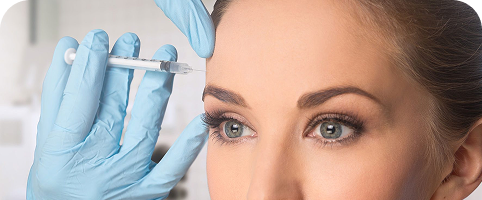
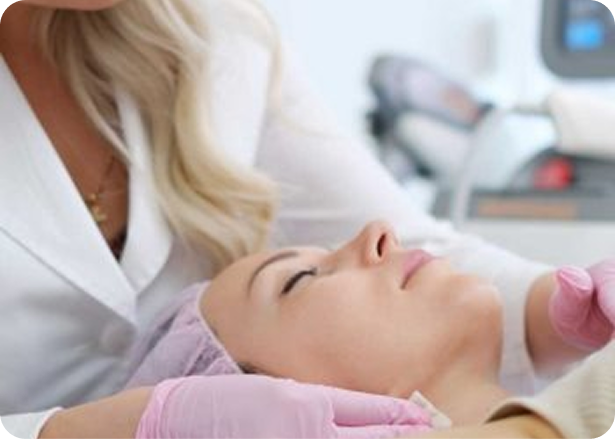
Anti wrinkle injections use a prescription-only medicine delivered in tiny amounts to specific facial muscles. By relaxing the muscles responsible for wrinkles, lines soften and the skin looks smoother. Results are subtle and tailored, especially when performed by an experienced medical team.

Most clients describe anti wrinkle injections as a series of quick pinches. To keep you comfortable, we use numbing cream or an ice pack before treatment. The session is short, usually around 15-30 minutes, and you can return to daily activities straight away.
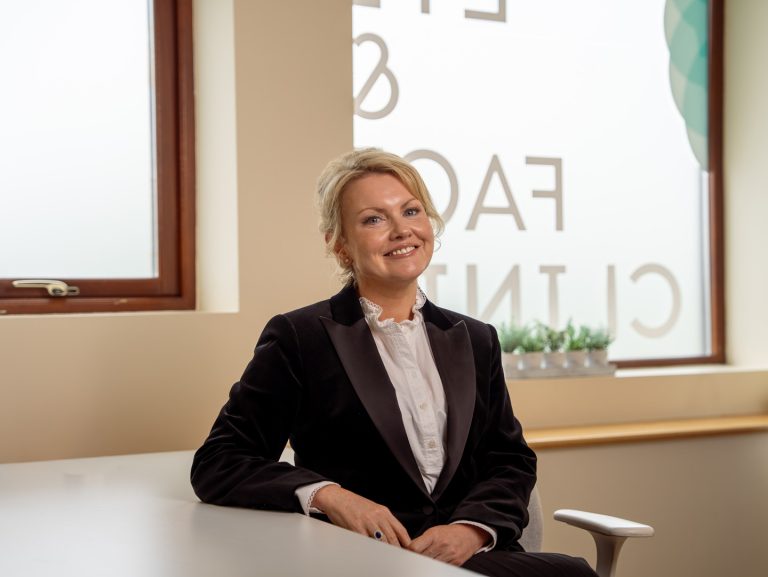
Ms Janice Brady is a Consultant Oculoplastic Surgeon with specialist training in the surgical management of conditions affecting the eyelids, orbit, lacrimal system, and periocular skin. Oculoplastic surgery combines the precision of ophthalmic surgery with the reconstructive expertise of plastic surgery — making it the ideal specialty for managing skin cancers in and around the eye.
The periocular region is one of the most surgically demanding areas of the face. Achieving complete tumour clearance while preserving the function of the eyelid — its ability to close, to protect the cornea, and to drain tears normally — and maintaining the natural appearance of the eye and face requires a level of surgical expertise that goes beyond general skin surgery. Ms Brady brings this expertise to every patient she treats.

Consultant examination & diagnosis
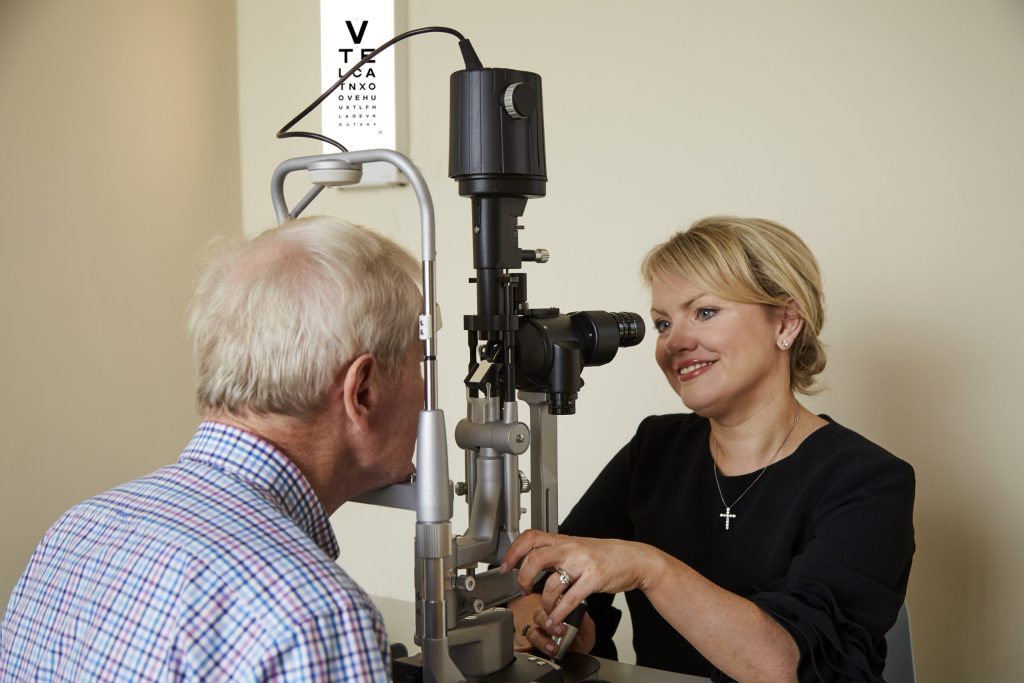
Ms Brady performs a thorough clinical assessment of the lesion and, where needed, photography. Her specialist oculoplastic training allows her to evaluate not only the lesion itself but its relationship to the eye and eyelid— critical in planning surgery that achieves complete removal without compromising function.
Personalised surgical plan
The surgical approach is planned individually for each patient.. Around the eye and eyelid, even small differences in surgical planning can have significant implications for the appearance and function of the lid. Ms Brady’s planning is meticulous.
Excision under local anaesthetic
Surgery is performed under local anaesthetic as a day case. The tumour is excised with an appropriate margin of normal tissue. Where the defect requires closure, Ms Brady employs specialist reconstructive techniques —chosen to preserve eyelid function and achieve the most natural appearance possible.
Fast laboratory results
All tissue is submitted immediately to a specialist dermatopathology laboratory. Ms Brady contacts each patient personally with their histology results, explains what the findings mean, and discusses whether any further treatment is required.
Comprehensive recovery support
Recovery is supported by personalised written aftercare instructions and a follow-up review appointment.
Ms Brady is committed to honest, clear, and unhurried communication at every stage of your care. You will know what she has found, what she recommends, and why — before, during, and after treatment. Results are communicated to you personally, and you will never be left waiting without knowing who to contact.
If you have noticed a new or changing skin lesion and have any concern, please do not wait. Early assessment leads to earlier diagnosis and better outcomes. Ms Brady accepts both self-referrals and GP referrals and aims to see patients promptly.
Your Journey to Trusted Care Starts Here.
No rush, no pressure – just honest medical advice.
You’ll receive tailored aftercare guidance and be invited for a review appointment 2-3 weeks after your first session to ensure results are natural and you’re happy. We also encourage feedback and Google reviews from our patients.
Posted onTrustindex verifies that the original source of the review is Google. The service i received today was exceptional. Dr.Brady was fantastic at explaining, she went above and beyond my expectations.Dr.Brady was extremely kind to me and my farther. As she went into good detail explaing my eyes aswell as farthers. Using great technical terms. Overall Dr. Brady was fantastic.Posted onTrustindex verifies that the original source of the review is Google. Dr. Janice is very welcoming, friendly and professional. She answered all of my questions patiently and with detailed information. I appreciated that she used medical terms during the consultation and then explained the terminology in a simple manner I could comprehend and I am grateful she kindly also used images to further describe various aspects of ophthalmology. I would highly recommend her services and am happy that Dr. Janice was recommended to me by my optician.Posted onTrustindex verifies that the original source of the review is Google. Mr Doris is a fantastic surgeon, totally recommendPosted onTrustindex verifies that the original source of the review is Google. Dr. Janice was patient and thorough, put me at ease and explained every step and every treatment option. Was put at ease by her kind thoughtfulness.Posted onTrustindex verifies that the original source of the review is Google. We’ve had the pleasure of working closely with Eye and Face Clinic Waterford through 2Cubed, and it’s clear why they have such an outstanding reputation. The team there are not only experts in their field but also bring a genuine care and professionalism to every patient interaction. Their approach is thorough, compassionate, and always centred around the patient’s needs. Whether it’s advanced eye care or specialist facial treatments, they combine the very latest techniques with a personal touch that immediately puts people at ease. From our experience, they run their clinic with the same level of dedication and excellence that they bring to their patients – efficient, forward-thinking, and always striving for the best possible results.Posted onTrustindex verifies that the original source of the review is Google. Really enjoyed my first visit to the clinic warm and welcoming reception Gillian is a lovely lady and very passionate about her profession explained treatments that I was interested in can't wait to try the skin pen Katharine CheastyPosted onTrustindex verifies that the original source of the review is Google. Very professional and really helpful would highly recommendPosted onTrustindex verifies that the original source of the review is Google. unfortunately website doesn't workPosted onTrustindex verifies that the original source of the review is Google. The Skin Consultation was excellent, I learned so much about my skin and what products do and don’t work including ingredients to watch out for. I have a totally new skincare regime and already notice a difference after only a couple of weeks. Would definitely recommend for anyone struggling with managing skincare concerns.





Most people notice improvements after 3-5 days, with full results visible by two weeks.
Most people notice improvements after 3-5 days, with full results visible by two weeks.
Most people notice improvements after 3-5 days, with full results visible by two weeks.
Most people notice improvements after 3-5 days, with full results visible by two weeks.
Most people notice improvements after 3-5 days, with full results visible by two weeks.
Most people notice improvements after 3-5 days, with full results visible by two weeks.
Most people notice improvements after 3-5 days, with full results visible by two weeks.
Most people notice improvements after 3-5 days, with full results visible by two weeks.