
IPL
> Aesthetics > IPL
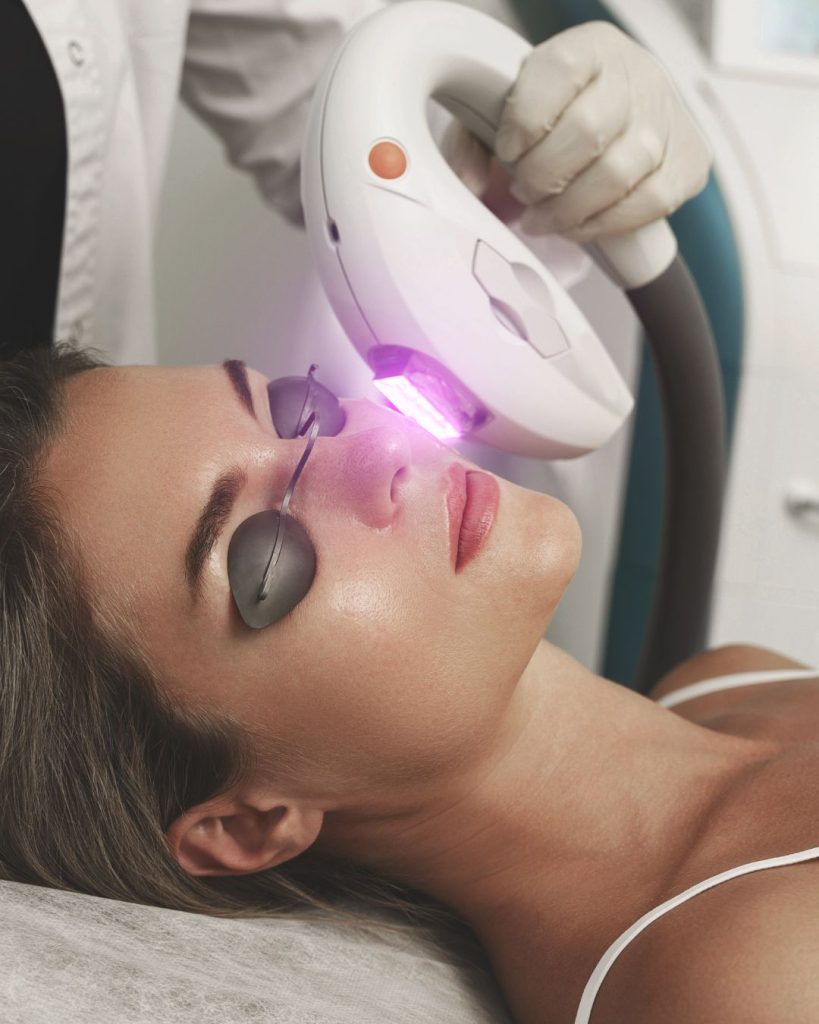
IPL Photofacial
IPL (Intense Pulsed Light) is one of the most versatile treatments we offer at Eye and Face Clinic. It’s just as effective at calming redness and rosacea flare-ups as it is at fading sun damage and pigmentation. Our Aesthetician, Gillian Power, uses IPL to help patients achieve a calmer, clearer, more even-toned complexion — with a treatment that fits easily around everyday life.
What IPL does
IPL works by delivering broad-spectrum pulses of light into the skin. This light is absorbed by pigment and haemoglobin — the substances behind pigmentation and redness. The energy breaks down excess pigment and causes small, dilated blood vessels to gradually collapse and fade, while also gently stimulating collagen production for better tone and texture over time.
Unlike single-wavelength lasers, IPL uses several wavelengths of light at once, which means it can treat multiple concerns — redness, pigmentation, and mild textural changes — in a single session.

What to expect during treatment
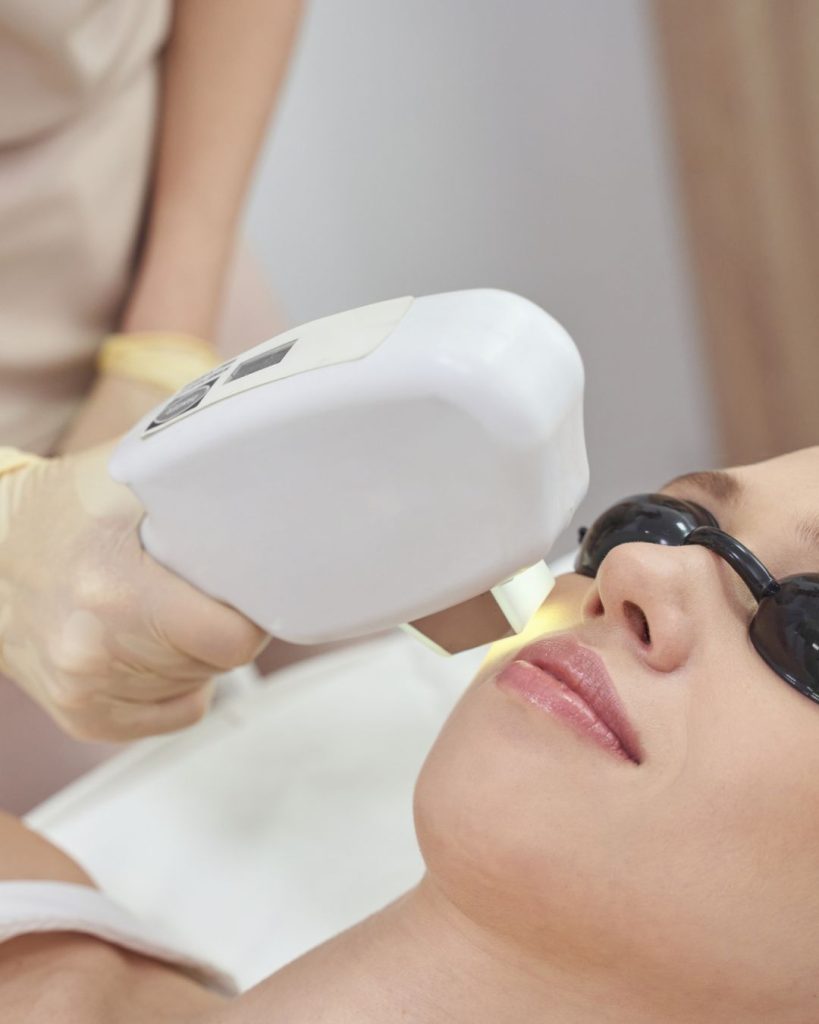
A cooling gel is applied first to protect and soothe the skin, and protective eyewear is worn throughout. Gillian then passes the IPL device over the treatment area, delivering light pulses to target redness or pigmentation. Most people feel a mild tingling or a quick snapping sensation — often compared to the flick of a rubber band. A session typically takes 20–30 minutes, depending on the area being treated.
Downtime and recovery
IPL involves little to no downtime, which is why it’s often called a “lunchtime treatment.” Mild redness or swelling straight after treatment is common, similar to a light sunburn, and usually settles within a few hours. Pigmented areas may look temporarily darker in the days that follow before flaking away naturally — this is a normal part of the process, so try not to pick at treated spots. Daily SPF is essential during and after your course of treatment.
Results
Many people notice an improvement in redness and skin tone within a few weeks of their first session, as treated vessels and pigment begin to fade. For the best outcome, Gillian typically recommends a course of 3–5 sessions, spaced around 4 weeks apart, so results can build progressively. For rosacea and ongoing redness, occasional maintenance sessions help keep symptoms under long term control.

How Gillian uses IPL at Eye and Face Clinic
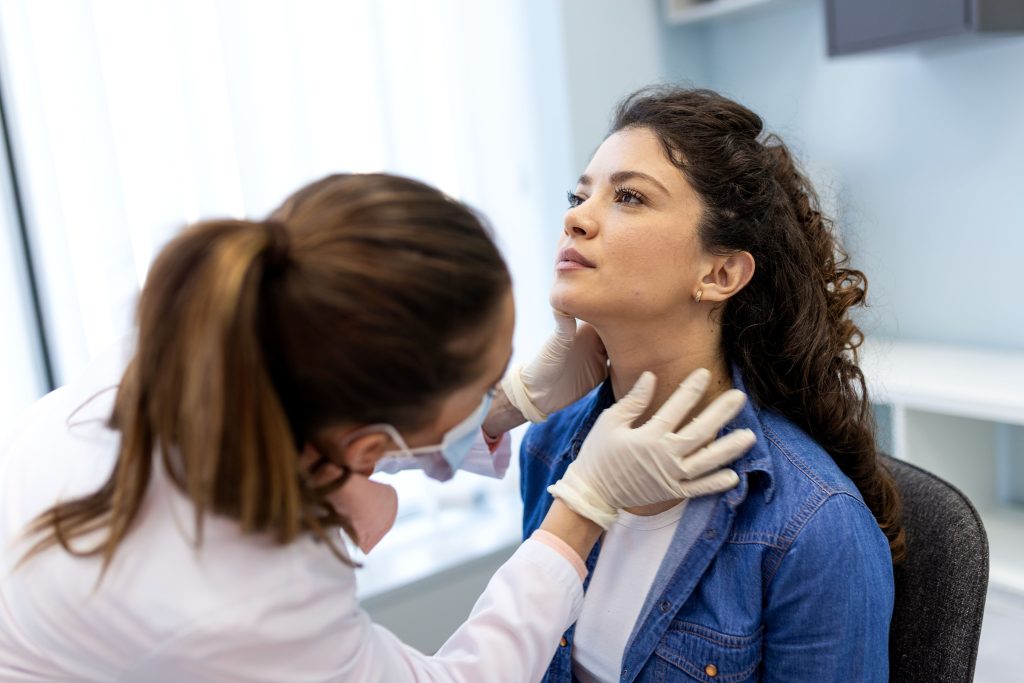
Gillian often recommends IPL as part of a broader treatment plan — for example, alongside calming, barrier-repair skincare for rosacea-prone skin, or combined with chemical peels and microneedling as part of a facial rejuvenation programme that addresses tone, texture, and redness together. As with all treatments, your plan starts with a thorough consultation and skin assessment, including a patch test, to make sure IPL is the right fit and safe for your skin.
Ready to Take the First Step?
Your Journey to Trusted Care Starts Here.
No rush, no pressure – just honest medical advice.
Supporting your results at home
Gillian will guide you on aftercare specific to your skin, but daily broad-spectrum SPF is non-negotiable throughout your IPL course. UV exposure is one of the biggest triggers for both pigmentation and redness, and can undo the progress you’re working towards. A gentle, barrier-supportive skincare routine between sessions will help maintain your results.
What Our Patients Say
Posted onTrustindex verifies that the original source of the review is Google. The service i received today was exceptional. Dr.Brady was fantastic at explaining, she went above and beyond my expectations.Dr.Brady was extremely kind to me and my farther. As she went into good detail explaing my eyes aswell as farthers. Using great technical terms. Overall Dr. Brady was fantastic.Posted onTrustindex verifies that the original source of the review is Google. Dr. Janice is very welcoming, friendly and professional. She answered all of my questions patiently and with detailed information. I appreciated that she used medical terms during the consultation and then explained the terminology in a simple manner I could comprehend and I am grateful she kindly also used images to further describe various aspects of ophthalmology. I would highly recommend her services and am happy that Dr. Janice was recommended to me by my optician.Posted onTrustindex verifies that the original source of the review is Google. Mr Doris is a fantastic surgeon, totally recommendPosted onTrustindex verifies that the original source of the review is Google. Dr. Janice was patient and thorough, put me at ease and explained every step and every treatment option. Was put at ease by her kind thoughtfulness.Posted onTrustindex verifies that the original source of the review is Google. We’ve had the pleasure of working closely with Eye and Face Clinic Waterford through 2Cubed, and it’s clear why they have such an outstanding reputation. The team there are not only experts in their field but also bring a genuine care and professionalism to every patient interaction. Their approach is thorough, compassionate, and always centred around the patient’s needs. Whether it’s advanced eye care or specialist facial treatments, they combine the very latest techniques with a personal touch that immediately puts people at ease. From our experience, they run their clinic with the same level of dedication and excellence that they bring to their patients – efficient, forward-thinking, and always striving for the best possible results.Posted onTrustindex verifies that the original source of the review is Google. Really enjoyed my first visit to the clinic warm and welcoming reception Gillian is a lovely lady and very passionate about her profession explained treatments that I was interested in can't wait to try the skin pen Katharine CheastyPosted onTrustindex verifies that the original source of the review is Google. Very professional and really helpful would highly recommendPosted onTrustindex verifies that the original source of the review is Google. unfortunately website doesn't workPosted onTrustindex verifies that the original source of the review is Google. The Skin Consultation was excellent, I learned so much about my skin and what products do and don’t work including ingredients to watch out for. I have a totally new skincare regime and already notice a difference after only a couple of weeks. Would definitely recommend for anyone struggling with managing skincare concerns.
Trusted By







Why Choose Us?
How quickly will I see results from anti wrinkle injections?
Most people notice improvements after 3-5 days, with full results visible by two weeks.
Do anti wrinkle injections make your face look frozen?
Most people notice improvements after 3-5 days, with full results visible by two weeks.
How long do anti wrinkle injections last?
Most people notice improvements after 3-5 days, with full results visible by two weeks.
Are anti wrinkle injections painful?
Most people notice improvements after 3-5 days, with full results visible by two weeks.
Are there risks with anti wrinkle injections?
Most people notice improvements after 3-5 days, with full results visible by two weeks.
Can I go back to work after anti wrinkle injections?
Most people notice improvements after 3-5 days, with full results visible by two weeks.
Can anti wrinkle injections be used preventatively?
Most people notice improvements after 3-5 days, with full results visible by two weeks.
What’s the difference between anti wrinkle injections and fillers?
Most people notice improvements after 3-5 days, with full results visible by two weeks.