
> Eye Care > Eye Treatments > Dry Eyes
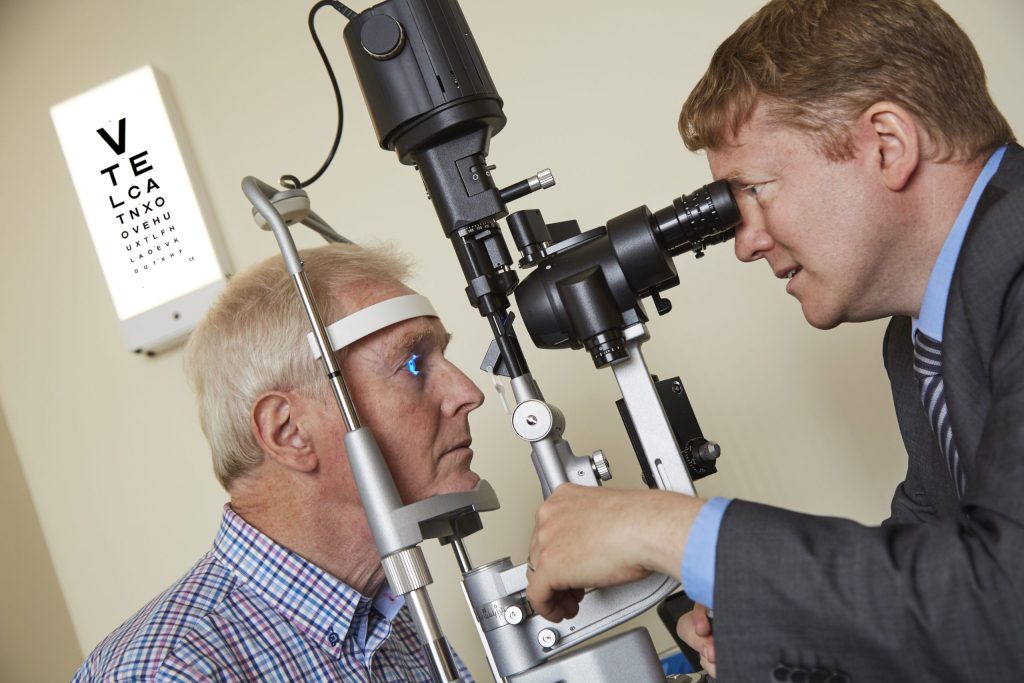
Dry eye and meibomian gland dysfunction are chronic conditions, but they are manageable. With the right combination of treatment and self-care, most patients experience a substantial improvement in their symptoms. The key is understanding the cause and committing to a consistent routine.
Dry eye is not a single condition — it has two main subtypes, which often co-exist.

The lacrimal gland does not produce enough aqueous (watery) tears to keep the eye surface adequately moist. This is less common than evaporative dry eye.
Common causes:

The meibomian glands in the eyelids become blocked or produce poor-quality oil, so the tear film evaporates too quickly. This is the most common cause of dry eye — responsible for around 85% of cases.
Common causes:
Dry eye is not a single condition — it has two main subtypes, which often co-exist.
The lacrimal gland does not produce enough aqueous (watery) tears to keep the eye surface adequately moist. This is less common than evaporative dry eye.
Common causes:
The meibomian glands in the eyelids become blocked or produce poor-quality oil, so the tear film evaporates too quickly. This is the most common cause of dry eye — responsible for around 85% of cases.
Common causes:



Consultant Oculoplastic Surgeon
MB BCh BAO BMedSc MSc MRCOphth FRCSI(Ophth)
Treatment for dry eye and MGD is not one-size-fits-all. For most patients, treatment involves a tailored programme of self-care combined with clinical intervention.
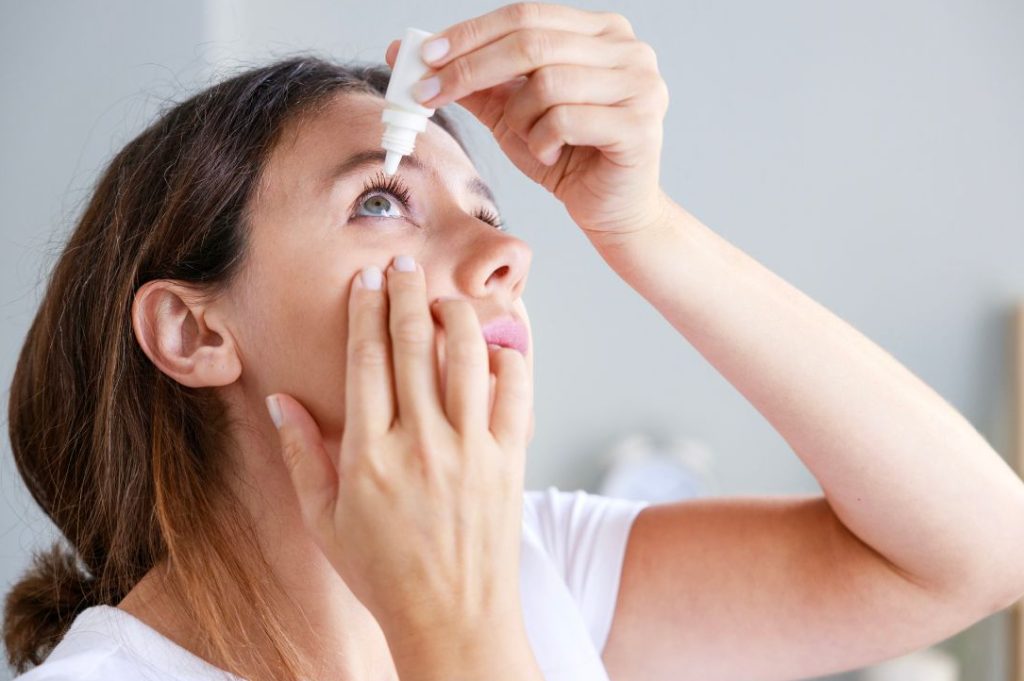
Alongside any treatment your consultant prescribes, there is a great deal you can do at home to reduce the impact of dry eye on your daily life.
Area | Practical advice |
Screen use | Follow the 20-20-20 rule: every 20 minutes, look at something 20 feet away for 20 seconds. Make a conscious effort to blink fully and frequently. |
Environment | Use a humidifier in dry or air-conditioned rooms. |
Warm compresses | Make warm compresses and lid massage a daily habit — even on days when symptoms feel manageable. |
Diet | Consider increasing oily fish intake or taking omega-3 supplements. Good hydration supports tear film quality. |
Contact lenses | Switch to daily disposable lenses if possible. Reduce wear time, particularly in the evenings. Ask about dry eye-compatible lens materials. |
Cosmetics | Remove eye makeup thoroughly each night. Avoid applying liner to the inner rim of the eyelid (waterline), which can block meibomian gland openings. |
Medications | If you take antihistamines, antidepressants, or diuretics, discuss with your GP whether these may be contributing to your symptoms. |
Dry eye and MGD are chronic conditions — for most people there is no single cure, but symptoms can be very well controlled with the right approach. It is important to understand that treatment is a process rather than an event, and that different patients respond to different treatments.

Your Journey to Trusted Care Starts Here.
No rush, no pressure – just honest medical advice.
You’ll receive tailored aftercare guidance and be invited for a review appointment 2-3 weeks after your first session to ensure results are natural and you’re happy. We also encourage feedback and Google reviews from our patients.
Posted onTrustindex verifies that the original source of the review is Google. The service i received today was exceptional. Dr.Brady was fantastic at explaining, she went above and beyond my expectations.Dr.Brady was extremely kind to me and my farther. As she went into good detail explaing my eyes aswell as farthers. Using great technical terms. Overall Dr. Brady was fantastic.Posted onTrustindex verifies that the original source of the review is Google. Dr. Janice is very welcoming, friendly and professional. She answered all of my questions patiently and with detailed information. I appreciated that she used medical terms during the consultation and then explained the terminology in a simple manner I could comprehend and I am grateful she kindly also used images to further describe various aspects of ophthalmology. I would highly recommend her services and am happy that Dr. Janice was recommended to me by my optician.Posted onTrustindex verifies that the original source of the review is Google. Mr Doris is a fantastic surgeon, totally recommendPosted onTrustindex verifies that the original source of the review is Google. Dr. Janice was patient and thorough, put me at ease and explained every step and every treatment option. Was put at ease by her kind thoughtfulness.Posted onTrustindex verifies that the original source of the review is Google. We’ve had the pleasure of working closely with Eye and Face Clinic Waterford through 2Cubed, and it’s clear why they have such an outstanding reputation. The team there are not only experts in their field but also bring a genuine care and professionalism to every patient interaction. Their approach is thorough, compassionate, and always centred around the patient’s needs. Whether it’s advanced eye care or specialist facial treatments, they combine the very latest techniques with a personal touch that immediately puts people at ease. From our experience, they run their clinic with the same level of dedication and excellence that they bring to their patients – efficient, forward-thinking, and always striving for the best possible results.Posted onTrustindex verifies that the original source of the review is Google. Really enjoyed my first visit to the clinic warm and welcoming reception Gillian is a lovely lady and very passionate about her profession explained treatments that I was interested in can't wait to try the skin pen Katharine CheastyPosted onTrustindex verifies that the original source of the review is Google. Very professional and really helpful would highly recommendPosted onTrustindex verifies that the original source of the review is Google. unfortunately website doesn't workPosted onTrustindex verifies that the original source of the review is Google. The Skin Consultation was excellent, I learned so much about my skin and what products do and don’t work including ingredients to watch out for. I have a totally new skincare regime and already notice a difference after only a couple of weeks. Would definitely recommend for anyone struggling with managing skincare concerns.







Most people notice improvements after 3-5 days, with full results visible by two weeks.
Most people notice improvements after 3-5 days, with full results visible by two weeks.
Most people notice improvements after 3-5 days, with full results visible by two weeks.
Most people notice improvements after 3-5 days, with full results visible by two weeks.
Most people notice improvements after 3-5 days, with full results visible by two weeks.
Most people notice improvements after 3-5 days, with full results visible by two weeks.
Most people notice improvements after 3-5 days, with full results visible by two weeks.
Most people notice improvements after 3-5 days, with full results visible by two weeks.