
> Eye Care > Eye Conditions > Irritated Eyes
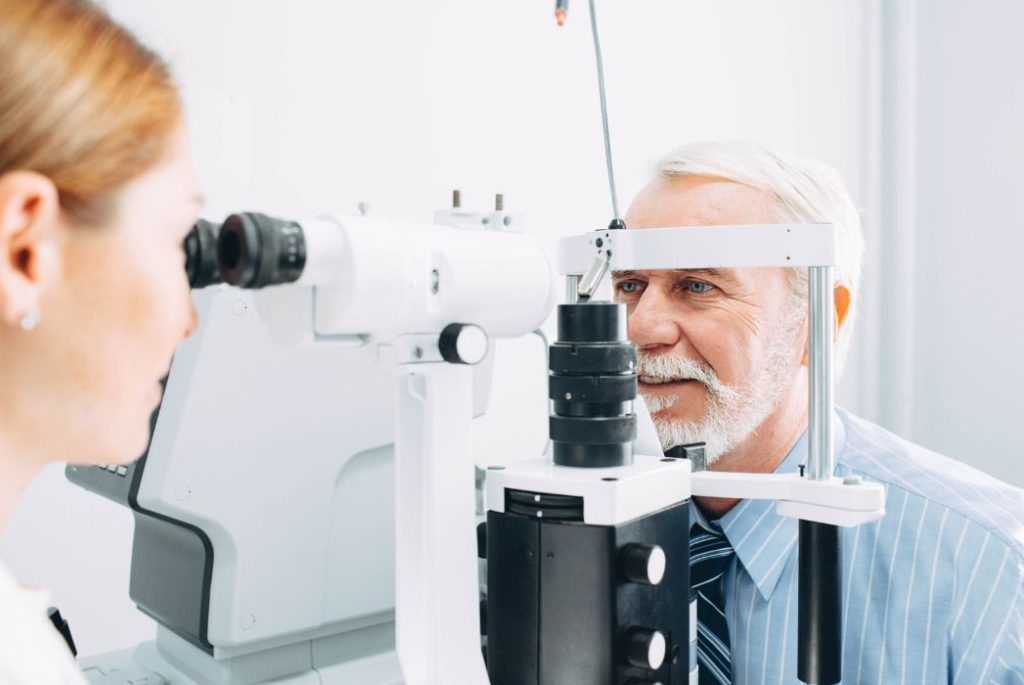
Irritated eyes can have many underlying causes, but frequently simple treatments can bring fast relief.
Dry eyes are a common but under-recognised problem. Not only can it cause gritty tired sore eyes, it can also affect the quality of vision. Many patients find it harder it to read or use a computer for an extended period of time. It occurs when the eyes do not make enough tears or they evaporate too quickly. A multifaceted approach is usually required to deal with the problem including drops, lid hygiene, supplements and specialist medication.
Bell’s Palsy occurs when the muscles on one side of the face become weak or paralysed. Most of the time, symptoms are temporary but ophthalmology assessment is important to rule out underlying problems as well as to prevent and manage eye problems. Failure of lid closure can leave the cornea open to abrasions and infections. This can result in permanent visual loss if untreated, watery eyes, lid malposition, facial asymmetry etc.
Ectropion: This involves sagging and outward turning lids and lashes. It can cause watery irritated eyes and result in damage to the front of the eye from exposure.
Entropion: This involves in-turned lashes and eyelid. It should be treated before the eyelashes rub on the front of the eye, causing damage from infection and scarring. Repair is a simple day case procedure.
This involves sagging and outward turning lids and lashes. It can cause watery irritated eyes and result in damage to the front of the eye from exposure.
Entropion: This involves in-turned lashes and eyelid. It should be treated before the eyelashes rub on the front of the eye, causing damage from infection and scarring. Repair is a simple day case procedure.
Retinal detachment surgery can be performed under local anaesthetic or general anaesthetic. Under local anaesthetic you will be awake but you will not feel any discomfort as the eye will be numbed with an injection. You will not see the operation and the other eye will be covered. If a general anaesthetic is chosen then you will be fully asleep. The decision as to which type of anaesthesia is most suitable will be made following a discussion between you and your surgeon.

If you have been given any posturing instructions then these should be followed. You can bath or shower, but avoid splashing water near the eye. Generally you may do anything with which you are comfortable. Most people choose not to drive over the first few weeks. You must not fly until the gas bubble has gone and you must inform the anaesthetist if you require a general anaesthetic for any operation while there is gas in your eye.
Most retinal tears are small and can be treated using laser or cryotherapy (freezing procedure). This seals the tear and reduces the risk of a retinal detachment.
Your Journey to Trusted Care Starts Here.
No rush, no pressure – just honest medical advice.
Posted onTrustindex verifies that the original source of the review is Google. The service i received today was exceptional. Dr.Brady was fantastic at explaining, she went above and beyond my expectations.Dr.Brady was extremely kind to me and my farther. As she went into good detail explaing my eyes aswell as farthers. Using great technical terms. Overall Dr. Brady was fantastic.Posted onTrustindex verifies that the original source of the review is Google. Dr. Janice is very welcoming, friendly and professional. She answered all of my questions patiently and with detailed information. I appreciated that she used medical terms during the consultation and then explained the terminology in a simple manner I could comprehend and I am grateful she kindly also used images to further describe various aspects of ophthalmology. I would highly recommend her services and am happy that Dr. Janice was recommended to me by my optician.Posted onTrustindex verifies that the original source of the review is Google. Mr Doris is a fantastic surgeon, totally recommendPosted onTrustindex verifies that the original source of the review is Google. Dr. Janice was patient and thorough, put me at ease and explained every step and every treatment option. Was put at ease by her kind thoughtfulness.Posted onTrustindex verifies that the original source of the review is Google. We’ve had the pleasure of working closely with Eye and Face Clinic Waterford through 2Cubed, and it’s clear why they have such an outstanding reputation. The team there are not only experts in their field but also bring a genuine care and professionalism to every patient interaction. Their approach is thorough, compassionate, and always centred around the patient’s needs. Whether it’s advanced eye care or specialist facial treatments, they combine the very latest techniques with a personal touch that immediately puts people at ease. From our experience, they run their clinic with the same level of dedication and excellence that they bring to their patients – efficient, forward-thinking, and always striving for the best possible results.Posted onTrustindex verifies that the original source of the review is Google. Really enjoyed my first visit to the clinic warm and welcoming reception Gillian is a lovely lady and very passionate about her profession explained treatments that I was interested in can't wait to try the skin pen Katharine CheastyPosted onTrustindex verifies that the original source of the review is Google. Very professional and really helpful would highly recommendPosted onTrustindex verifies that the original source of the review is Google. unfortunately website doesn't workPosted onTrustindex verifies that the original source of the review is Google. The Skin Consultation was excellent, I learned so much about my skin and what products do and don’t work including ingredients to watch out for. I have a totally new skincare regime and already notice a difference after only a couple of weeks. Would definitely recommend for anyone struggling with managing skincare concerns.