
> Aesthetics > Skin Treatments > Skin Concerns > Pigmentation
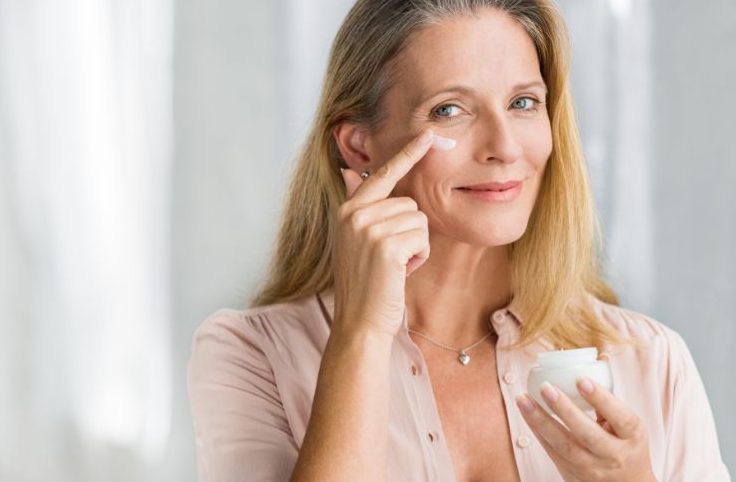
Your skin gets its colour from melanin, a pigment made by cells called melanocytes. When these cells make too much melanin in certain areas, darker patches or spots appear. This is known as hyperpigmentation. It is one of the most common skin concerns we see, and it can affect every skin type and tone.
Pigmentation is harmless in most cases. It can still leave the skin looking tired, uneven or older than you feel. Many people find it knocks their confidence, especially when makeup no longer covers it.
Sun damage (sun spots or age spots). These are flat brown spots, usually on the face, hands and chest. They come from years of UV exposure, often built up long before they become visible.
Melasma. These are larger, patchy areas of brown or grey-brown colour, often on the cheeks, forehead and upper lip. Melasma is linked to hormones and is common during pregnancy or while taking the contraceptive pill. Sunlight and heat can make it worse. It can be managed very well, but it tends to come back, so ongoing care is important.
Post-inflammatory hyperpigmentation (PIH). These are dark marks left after the skin has been inflamed or injured, for example after acne, eczema, a burn or picking at a blemish.
Freckles. Small spots that darken in summer. Many people love their freckles. Others prefer a more even tone.
Our Aesthetician Gillian begins every pigmentation journey with a one-to-one skin consultation. She looks closely at your skin, asks about your history, lifestyle, medications and sun habits, and works out what type of pigmentation you have. This matters because different types of pigmentation respond to different treatments. A treatment that clears sun spots can sometimes make melasma worse if it is used in the wrong way.
From there, Gillian builds a personalised plan, which usually combines in-clinic treatments with medical-grade skincare at home.
Gillian offers a range of evidence-based professional in-clinic treatments, each carefully selected and adapted for ageing skin:
Professional treatments deliver powerful results, but the single most important factor in managing pigmentation day to day is what you do at home. Gillian prescribes fully personalised homecare routines using medical-grade skincare brands available exclusively through certified professionals — with formulations specifically designed for pigmentation, including targeted cleansers, antioxidant serums, retinoids and peptides, hydrating moisturisers, and broad-spectrum sun protection.
Because every skin is different, Gillian will always tailor the homecare routine precisely to your skin — not a generic profile.
What you do at home every day is just as important as what happens in the clinic.
Pigmentation fades gradually. Most patients see a clear improvement over a course of treatments, with the skin looking brighter, clearer and more even. Some types, especially melasma, are managed rather than cured. Gillian will be honest with you about what is realistic for your skin, and she will support you with a maintenance plan to protect your results.
Book a consultation with Gillian Power today and start your journey to firmer, healthier, more confident skin.
Posted onTrustindex verifies that the original source of the review is Google. The service i received today was exceptional. Dr.Brady was fantastic at explaining, she went above and beyond my expectations.Dr.Brady was extremely kind to me and my farther. As she went into good detail explaing my eyes aswell as farthers. Using great technical terms. Overall Dr. Brady was fantastic.Posted onTrustindex verifies that the original source of the review is Google. Dr. Janice is very welcoming, friendly and professional. She answered all of my questions patiently and with detailed information. I appreciated that she used medical terms during the consultation and then explained the terminology in a simple manner I could comprehend and I am grateful she kindly also used images to further describe various aspects of ophthalmology. I would highly recommend her services and am happy that Dr. Janice was recommended to me by my optician.Posted onTrustindex verifies that the original source of the review is Google. Mr Doris is a fantastic surgeon, totally recommendPosted onTrustindex verifies that the original source of the review is Google. Dr. Janice was patient and thorough, put me at ease and explained every step and every treatment option. Was put at ease by her kind thoughtfulness.Posted onTrustindex verifies that the original source of the review is Google. We’ve had the pleasure of working closely with Eye and Face Clinic Waterford through 2Cubed, and it’s clear why they have such an outstanding reputation. The team there are not only experts in their field but also bring a genuine care and professionalism to every patient interaction. Their approach is thorough, compassionate, and always centred around the patient’s needs. Whether it’s advanced eye care or specialist facial treatments, they combine the very latest techniques with a personal touch that immediately puts people at ease. From our experience, they run their clinic with the same level of dedication and excellence that they bring to their patients – efficient, forward-thinking, and always striving for the best possible results.Posted onTrustindex verifies that the original source of the review is Google. Really enjoyed my first visit to the clinic warm and welcoming reception Gillian is a lovely lady and very passionate about her profession explained treatments that I was interested in can't wait to try the skin pen Katharine CheastyPosted onTrustindex verifies that the original source of the review is Google. Very professional and really helpful would highly recommendPosted onTrustindex verifies that the original source of the review is Google. unfortunately website doesn't workPosted onTrustindex verifies that the original source of the review is Google. The Skin Consultation was excellent, I learned so much about my skin and what products do and don’t work including ingredients to watch out for. I have a totally new skincare regime and already notice a difference after only a couple of weeks. Would definitely recommend for anyone struggling with managing skincare concerns.