
> Aesthetics > Eyelid Surgery > Upper Lid Blepharoplasty
Your eyelids do far more than frame your face — they protect your eyes, keep your vision clear, and communicate who you are. When excess skin or puffiness begins to affect how you see or how you feel, blepharoplasty can help. As a Consultant Oculoplastic Surgeon, Ms Brady’s entire focus is on this delicate area, and she treats every patient with the precision and individualised care
Refreshes the appearance by removing excess upper lid skin
Heavy, hooded or drooping eyelids
60 minute
Local +/- sedation. GA on request – additional fee
Mild swelling and bruising for up to two weeks. Sutures removed at 5-7 days
A more open refreshed appearance
Consultant Oculoplastic Surgeon
MB BCh BAO BMedSc MSc MRCOphth FRCSI(Ophth)
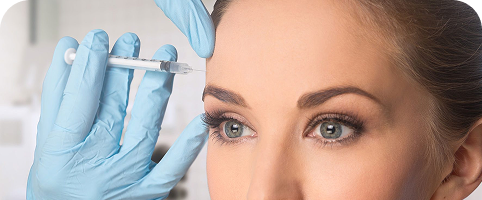
Anti wrinkle injections can target common signs of ageing and some medical concerns:

Blepharoplasty is a surgical procedure to remove or reposition excess skin, muscle, and fat from the upper eyelids, lower eyelids, or both. It is one of the most commonly performed oculoplastic procedures, and the results — when performed by a specialist with deep expertise in the anatomy of the eye and its surrounding structures — can be genuinely life-changing.
Unlike general plastic surgeons, oculoplastic surgeons train specifically in both ophthalmology and plastic surgery of the eye region. This dual expertise means Janice understands not just how the eyelids look, but how they function — protecting the eye’s surface, supporting healthy vision, and working in harmony with the brow, cheek, and orbital structures.

Functional reasons
For many patients, excess skin on the upper eyelids gradually droops low enough to reduce the field of vision — particularly towards the top or sides. You may find yourself lifting your brows unconsciously to see clearly or feel heaviness and fatigue around the eyes by late afternoon. In these cases, surgery is not simply cosmetic: it restores function and can be assessed through formal visual field testing.
Aesthetic reasons
Others seek surgery because puffiness, hollowing, or sagging skin has changed how they look — and how they feel about themselves. Blepharoplasty, when planned carefully, can achieve a refreshed, rested appearance that still looks entirely natural. Our aim is never to make you look “done” — it is to help you look like yourself, only better rested.
Ms Brady carries out blepharoplasty at UPMC Aut Even. You will be checked in on the day and welcomed to the surgical day ward. Ms Brady will see you and answer any last minute questions and concerns.
In theatre she will carefully mark the natural lid crease and the appropriate amount of tissue to be removed. A small injection of local anaesthetic is given to each eyelid, ensuring you are completely numbed.
Ms Brady then makes a careful cut along the natural crease of your eyelid, so any scarring will be hidden within the fold. Excess skin is gently removed and, where needed, a small amount of fatty tissue causing puffiness may also be taken away. The goal is always a natural, refreshed result.
Fine stitches are used to close the eyelids neatly. The whole procedure usually takes under an hour, and you will be able to go home the same day.
We always provide transparent advice on suitability before treatment.
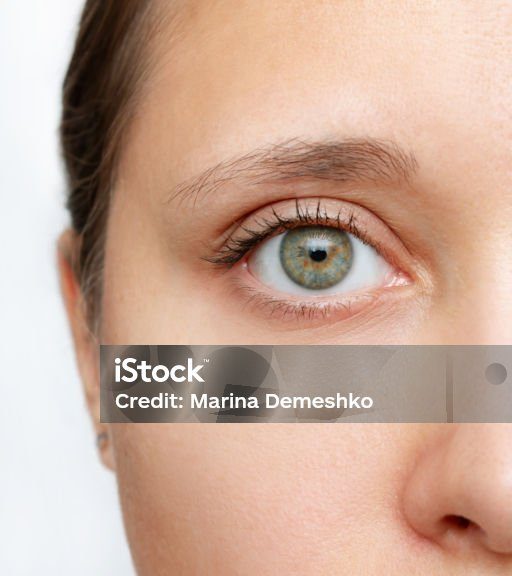
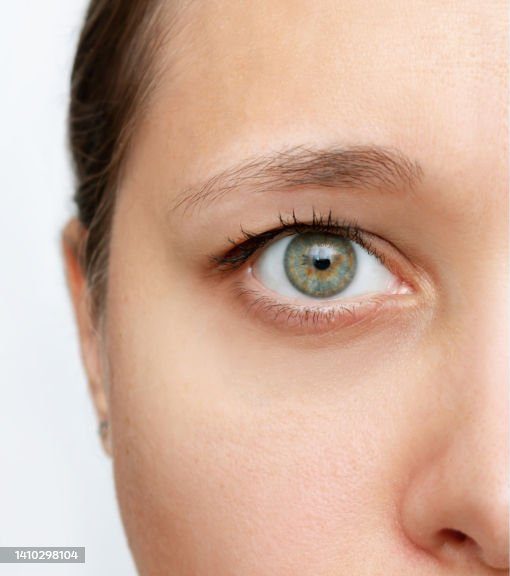
Most patients are pleasantly surprised by how manageable recovery is. Some bruising and swelling are entirely normal and settles gradually over two to three weeks, with final results becoming fully apparent over three to six months as scars mature and any residual swelling resolves.
We follow up with you at regular intervals after surgery — not just at your suture removal appointment, but at planned review appointments where we assess your results carefully and ensure you are recovering well. You can contact us directly at any point with questions or concerns.
Your Journey to Trusted Care Starts Here.
No rush, no pressure – just honest medical advice.
If you are considering blepharoplasty, we warmly invite you to arrange a consultation. There is no obligation — simply an opportunity to talk through your concerns with Consultant Surgeon Janice Brady, who will listen carefully and give you an honest, expert opinion.
To book your consultation or to find out more, please contact our team. We look forward to meeting you.
Posted onTrustindex verifies that the original source of the review is Google. The service i received today was exceptional. Dr.Brady was fantastic at explaining, she went above and beyond my expectations.Dr.Brady was extremely kind to me and my farther. As she went into good detail explaing my eyes aswell as farthers. Using great technical terms. Overall Dr. Brady was fantastic.Posted onTrustindex verifies that the original source of the review is Google. Dr. Janice is very welcoming, friendly and professional. She answered all of my questions patiently and with detailed information. I appreciated that she used medical terms during the consultation and then explained the terminology in a simple manner I could comprehend and I am grateful she kindly also used images to further describe various aspects of ophthalmology. I would highly recommend her services and am happy that Dr. Janice was recommended to me by my optician.Posted onTrustindex verifies that the original source of the review is Google. Mr Doris is a fantastic surgeon, totally recommendPosted onTrustindex verifies that the original source of the review is Google. Dr. Janice was patient and thorough, put me at ease and explained every step and every treatment option. Was put at ease by her kind thoughtfulness.Posted onTrustindex verifies that the original source of the review is Google. We’ve had the pleasure of working closely with Eye and Face Clinic Waterford through 2Cubed, and it’s clear why they have such an outstanding reputation. The team there are not only experts in their field but also bring a genuine care and professionalism to every patient interaction. Their approach is thorough, compassionate, and always centred around the patient’s needs. Whether it’s advanced eye care or specialist facial treatments, they combine the very latest techniques with a personal touch that immediately puts people at ease. From our experience, they run their clinic with the same level of dedication and excellence that they bring to their patients – efficient, forward-thinking, and always striving for the best possible results.Posted onTrustindex verifies that the original source of the review is Google. Really enjoyed my first visit to the clinic warm and welcoming reception Gillian is a lovely lady and very passionate about her profession explained treatments that I was interested in can't wait to try the skin pen Katharine CheastyPosted onTrustindex verifies that the original source of the review is Google. Very professional and really helpful would highly recommendPosted onTrustindex verifies that the original source of the review is Google. unfortunately website doesn't workPosted onTrustindex verifies that the original source of the review is Google. The Skin Consultation was excellent, I learned so much about my skin and what products do and don’t work including ingredients to watch out for. I have a totally new skincare regime and already notice a difference after only a couple of weeks. Would definitely recommend for anyone struggling with managing skincare concerns.





In experienced hands, absolutely. We plan conservatively and with great attention to your individual facial proportions. Our goal is always a refreshed, rested appearance — not a change in the fundamental way you look.
This is one of the most important safety considerations in eyelid surgery, and it is central to how we plan every procedure. We use careful measurements and a clinical assessment to confirm that safe, comfortable eye closure will be maintained before removing any tissue.
Where blepharoplasty is causing a measurable reduction in your field of vision, it may qualify as a functional procedure. We can perform formal visual field testing and provide the documentation required to support an insurance request.
Blepharoplasty produces long-lasting results, typically remaining effective for many years. The ageing process does continue, but most patients do not require a second procedure for a decade or more, if at all.
All surgery carries some risk, and we discuss these with you in full at consultation — including the rare but serious risks that any responsible surgeon will explain. Our careful patient selection, conservative technique, and thorough follow-up are all designed to minimise complications and support the best possible outcome for you.